What is solar energy?
Solar energy is energy derived from the sun’s radiation. It’s harnessed through various technologies, primarily photovoltaics (PV), which convert sunlight directly into electricity. Solar energy is considered a renewable and sustainable source of energy because it relies on an abundant and inexhaustible resource: sunlight.
It’s environmentally friendly, producing no greenhouse gas emissions during operation, and it has the potential to significantly reduce reliance on fossil fuels for electricity generation.
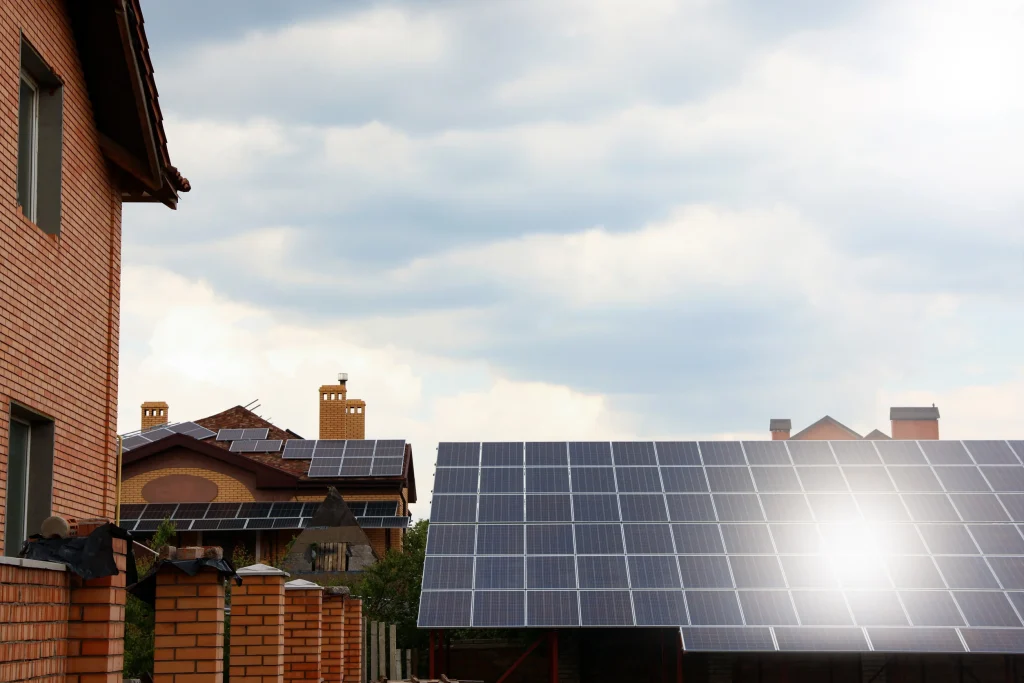

How is solar energy generated?
Solar photovoltaic (PV) systems generate electricity by directly converting sunlight into electricity using semiconductor materials:
What are the benefits of solar energy?
Solar energy offers numerous benefits, including:
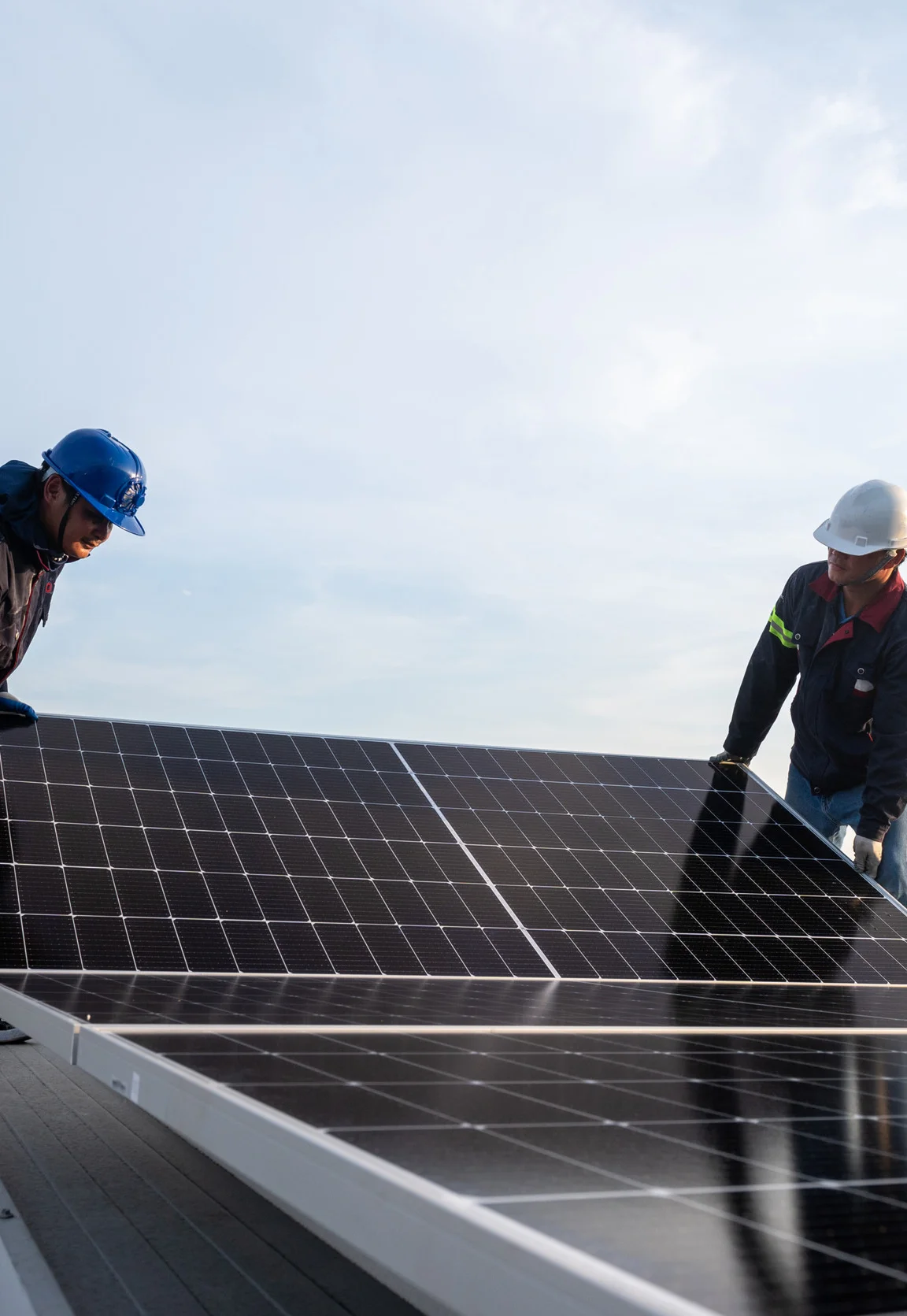
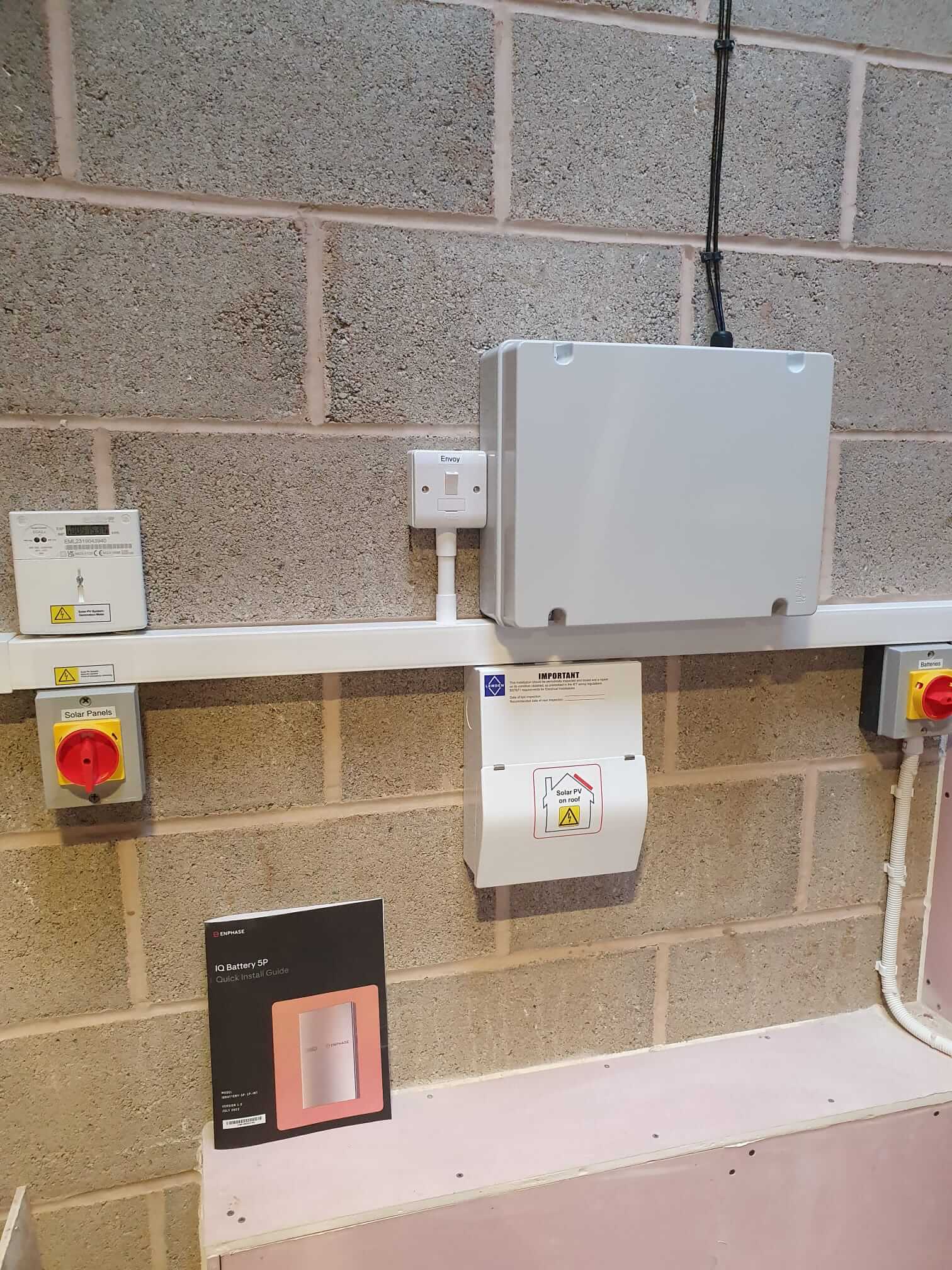
Battery Storage
An electrical energy storage system (EESS) is a technology that stores electrical energy. Batteries store electrical energy in chemical form and can discharge it when needed. Lithium-ion batteries are widely used for both small scale and grid scale applications.
Grid connected EESS can be charged directly from solar panels. When solar generation exceeds demand, surplus electricity can be stored in the batteries for later use.
During grid outages, batteries can provide backup power to critical loads within a property. This allows essential functions to continue operating until grid power is restored.